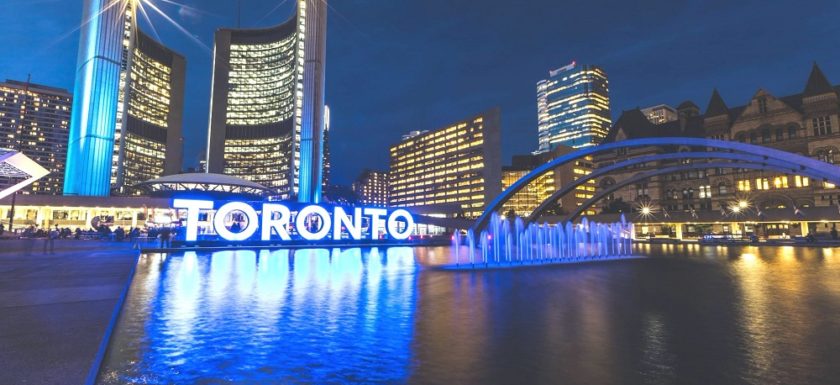
Although Toronto cannot boast of a large number of architectural monuments or historically significant places, nevertheless it is an interesting city to visit. There is a large number of temples of various denominations, amusement parks, excellent museums, as well as neighborhoods with ethnic flavor, each of which is a reason for getting to know it more closely. And of course, this city is famous because gamblers from all over the world can find excellent casinos in Toronto.
Diverse Attractions in Toronto: From Heritage to High Stakes
Toronto, known for its eclectic architectural style and diverse heritage, stands as a vibrant and cohesive city in North America. Attracting millions of tourists annually, Canada’s largest city offers a unique mix of ancient and modern attractions, a testament to its rich multicultural legacy. This cosmopolitan nature, coupled with Toronto’s status as a world financial hub, makes it a compelling destination for many visitors.
Among the city’s attractions, Toronto’s casino scene is emerging as a dynamic draw. These casinos offer more than just gaming. They reflect the city’s diverse character with a range of entertainment options, from luxurious gaming experiences to lively nightlife. This evolving industry is drawing global attention, appealing to both serious gamblers and casual visitors looking to experience the city’s vibrant energy.
For those interested in exploring this facet of the city, the guide to Toronto’s Casino Culture – Blend of Online and Offline Experiences provides invaluable insight. It details the best casino experiences in Toronto, integrating seamlessly into the city’s broader tourism narrative. In Toronto, where history meets modernity and cultural diversity merges with economic vitality, every visitor finds something unique, be it in the historic sites, multicultural neighbourhoods, or the thrilling ambiance of its casinos.
The City’s Top Spots
1. CN tower
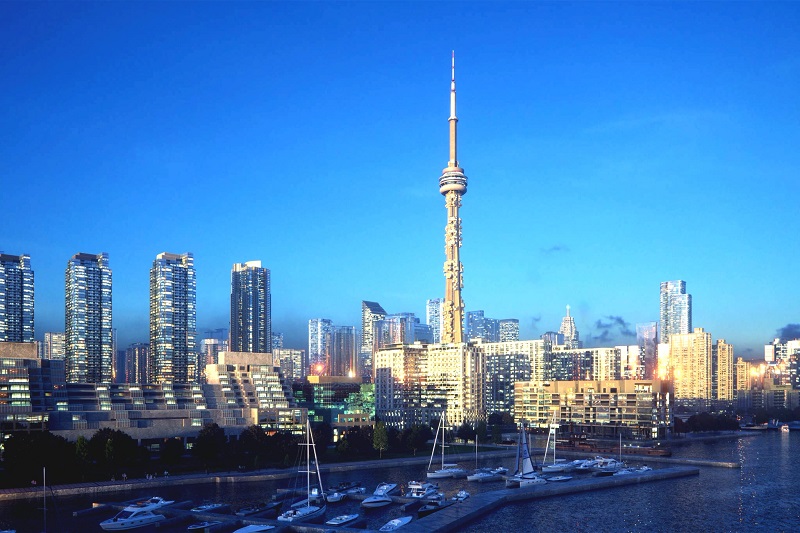
CN Tower is the most famous and most popular attraction in the city. Annually, almost 2 million people come to see this place. It is the main focal point of many tourists. Located in downtown Toronto, this landmark is one of the most well-known tourist attractions in the whole world. The tower is completely accessible by any means possible and its staggering height has a spell of its own.
Since October 1976 (date of construction of the tower) until recently, it was the tallest building in the world (553 meters). At an altitude of 340 meters, there is a rotating circular restaurant and an observation deck with a glass floor, which offers a panorama of the city overlooking Lake Ontario. Upstairs you can take the high-speed elevator. The tower is open for visits daily.
Usually, tourists would like to visit the rooftop from where you can take a close look at the city. Horizons and 360 restaurants are the most common places offering traditional Canadian cuisine which has a scrumptious taste. The tower has multiple observatories where you will get the complete view of the city from the angle of your choice. Being the tallest building in the world in the past, CN tower still holds a remarkable position when it comes to manmade structures.
2. Rogers Center
If you are a sports lover then you should definitely visit 1 Blue Jays Ways to quench your sporty thirst. Located at the Rogers Center, this place is known for the sports events conducted there. The address is simple: you just have to walk adjacent to CN tower to get to the place. The maintenance is superb and it is regarded as one of the most visited places in Toronto and a famous sporting arena as well as the tourist spot.
3. Toronto Zoo

The best part of the zoo is the fact that here you can see thousands of indigenous species which are not founded elsewhere. The guided tours are also offered and the best part is that the zoo is divided into several parts. Each part is unique in terms of species and animals it offers to see. The zoo is far from the city center but is easily accessible by car and public transport. The address is 361- A Old Finch Road Toronto.
4. Castle Casa Loma
This outstanding castle was built in 1914 by the successful financier Henry Pellatt. He made a fortune on the construction of hydroelectric power plants and chose a project in the style of a neo-romantic castle for his house. Casa Loma has become the largest residential building ever constructed in Canada. In addition to the impressive look and magnificent finishes of many of its rooms, Casa Loma also boasts a large garden. There is a restaurant in the castle, which is regarded as a popular venue for weddings and other special events. This place is often used for films shooting.
5. Royal Ontario Museum
It is a museum of nature and world culture. Royal Ontario is the largest museum in Toronto and the fifth largest in North America. The museum has about 40 galleries, which offer more than 6 million exhibits. Especially distinguished, collections are devoted to dinosaurs, the art of the Middle East, Africa, East Asia, Ancient Egypt, and Ancient Greece, as well as European and Canadian history. The museum has several traveling thematic exhibitions of the largest museums in the world all year round.
6. Old City Hall
This is a former city hall building with a characteristic clock tower, constructed in 1899. At that time, it was the biggest building in Toronto. In 1965, after the construction of a new city hall, the Old City Hall was demolished and several skyscrapers were built in its place. However, under public pressure, this decision was reversed. In 1989, the old city hall was declared a historical monument, protected by the state.
7. Eaton Center
Eaton Center is a shopping mall that allows you to get whatever you like. If you want to take any souvenirs back to your country, that’s the place you will find any of them. The best part is that the Eaton Center is known for its multilevel building and the way the building has been constructed. The Eaton Center is a must-visit place for all the tourists and it is a very popular spot. The address is 220 Yonge St, Toronto, ON M5B 2H1, Canada.
8. Toronto islands
This is a chain of small islands that stretch along the shore of Lake Ontario, on which a recreation area is located, popular among Toronto residents. The islands are connected to the city by ferry. Total islands occupy an area of 230 hectares. Here are often conducted various events and concerts, this is a favorite place for water competitions and an ideal spot for a beach pastime. The airport is located on the central island. From the islands opens a beautiful view of the city panorama. That’s the place where you can take wonderful photos like those ones from scenery postcards.